
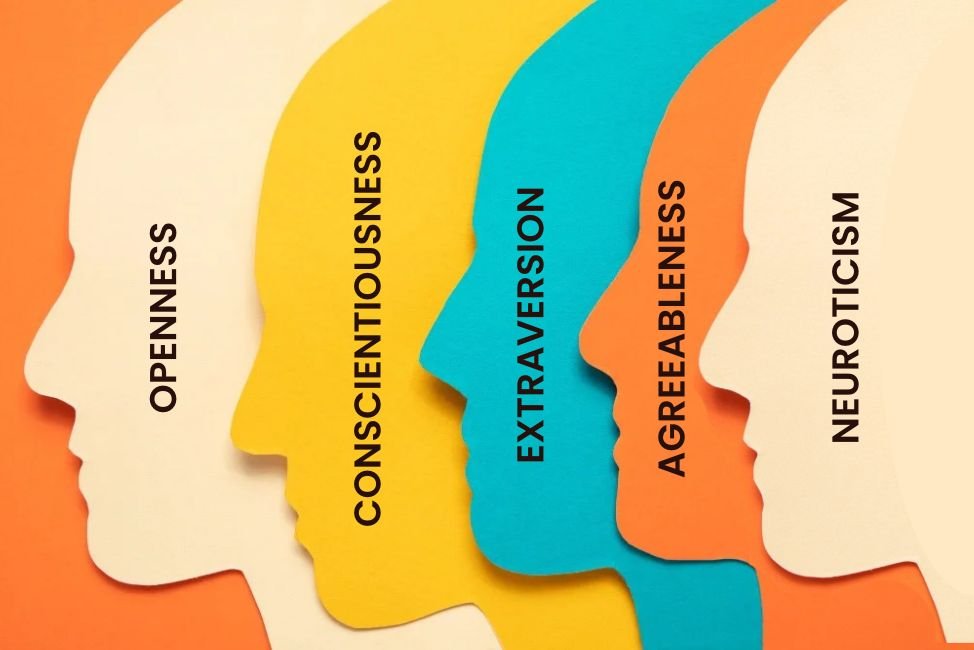
Personality assessments can add valuable data to hiring decisions when they are used to understand job-relevant behavior rather than to label candidates. The Big Five Personality Framework is one of the most extensively researched models of personality, and the Prevue test uses this framework as the foundation of its Personality Assessment.
But why does the Prevue test use the Big Five Personality Framework as a foundation for its assessment?
What Is the Big Five Personality Framework?
The Big Five Personality Framework, also known as the Five-Factor Model, describes personality across five broad dimensions: Openness, Conscientiousness, Extraversion, Agreeableness, and Neuroticism or Emotional Stability. Rather than placing people into fixed personality types, the model measures traits along a continuous spectrum.
This spectrum-based approach provides a more nuanced view of personality than typology-based assessments. A person is not simply “introverted” or “extroverted”; they can fall at different points along the spectrum. This helps describe patterns in how people tend to approach work, interact with others, and respond to different situations. The Prevue test applies this trait-based approach to workplace assessment.
The research base is also important. A 2022 quantitative synthesis published in the Journal of Personality combined findings from 54 meta-analyses, covering 554,778 participants, and found robust associations between Big Five traits and performance. Conscientiousness showed the strongest overall association, although the strength of each relationship varied across performance categories.
By measuring personality traits on a spectrum, the Big Five Personality Framework can provide a more differentiated view of workplace behavior. The Prevue test builds on this framework to provide structured personality information that can be considered alongside other evidence about a candidate.
How the Prevue Test Uses the Big Five
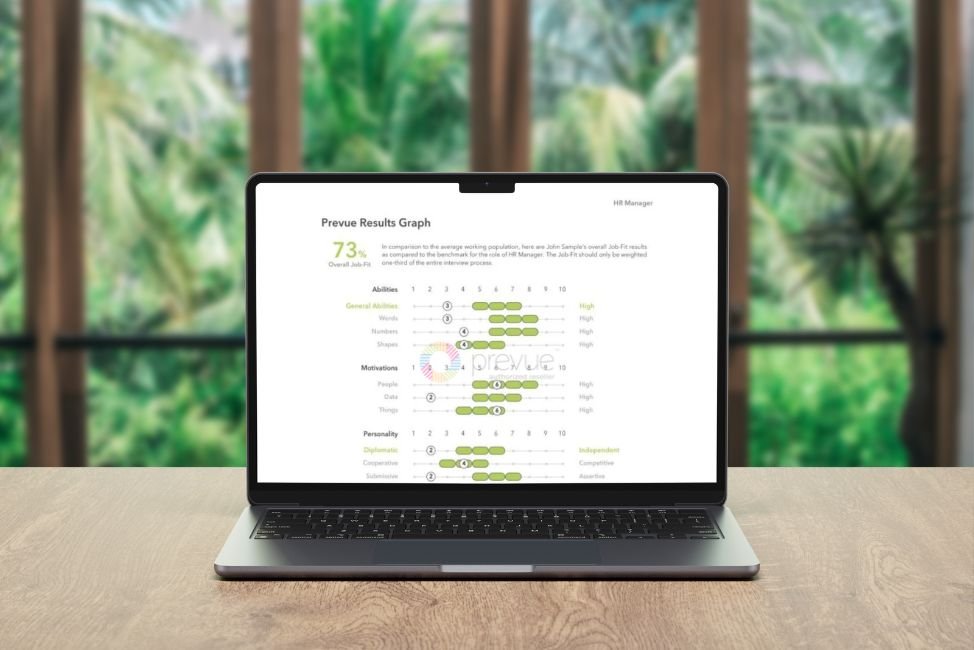
The Prevue test measures 13 definable personality traits based on the Big Five framework. Rather than assigning candidates to fixed personality types, the assessment measures traits on a continuous scale. This provides more detailed information about a candidate’s behavioral tendencies and interaction style.
The assessment uses normative scoring, meaning results are measured against a standardized working-population reference group. This allows scores to be compared consistently across candidates. The Prevue test can also connect personality results with the behavioral requirements of a particular role, making the information more relevant to hiring decisions.
Companies can create job benchmarks using high performers in a specific position and compare candidates with those benchmarks. This shifts the focus away from searching for one universally “good” personality profile and toward identifying traits that are relevant to success in a particular role. The Prevue test therefore provides a structured way to bring personality data into job-fit discussions.
Make Personality Part of Better Hiring Decisions
Personality already influences hiring decisions, often through informal impressions during interviews. The challenge is turning those impressions into more structured, job-relevant evidence. Research supports the Big Five as a useful framework for understanding personality and performance, while the Prevue test translates that framework into practical assessment data. Used together with aptitude, motivations, skills, and structured interviews, personality data can contribute to more informed hiring decisions.support your recruitment process
Source:
https://action.deloitte.com/insight/3121/what-role-should-personality-assessments-play-in-your-organization
https://pubmed.ncbi.nlm.nih.gov/34687041/
https://www.prevuehr.com/resources/insights/the-big-five/