
Hiring the right employees plays a critical role in organizational success. Unfortunately, finding the best talent is not as simple as reviewing resumes or conducting interviews. Candidates who look strong on paper may struggle once they face real job demands. Others may have skills but lack motivation or cultural alignment. These mismatches often lead to poor performance and early turnover. That is why organizations need a job fit assessment to reduce hiring risks.
By focusing on how well a candidate’s abilities, personality, and motivation align with job requirements, job fit assessment helps organizations reduce hiring risks and make more sustainable decisions. This approach is strongly aligned with Requisite Organization by Dr. Elliott Jaques, which emphasizes that organizational effectiveness depends on placing individuals in roles that match their level of capability and the complexity of the work. To better understand this concept, let’s explore why job fit plays a decisive role in hiring outcomes.
1. Make Sure Organizations Hire the Best Candidates
The number of job applicants keeps increasing. Yet finding candidates who truly fit role requirements remains difficult. According to a CareerBuilder survey, 75 percent of companies admit they have made a bad hire. On the employee side, studies show around 60 percent realize they are a poor fit shortly after joining.
This situation is costly. A bad hire can cost up to 30 percent of an employee’s first year earnings, based on data from the U.S. Department of Labor. Beyond cost, poor hiring decisions also affect morale, productivity, and team trust.
Bad hiring often happens because decisions rely too heavily on resumes and interviews. These methods are prone to bias, personal preference, and incomplete information. Recruiters may favor certain candidates or miss critical capability gaps. To reduce this risk, organizations need job fit assessment. Prevue Job Fit helps ensure candidates match role requirements and work demands. By combining abilities, personality, and motivation data, it delivers objective, data driven insights with far less bias.
2. Set Clear Objectives and Hiring Criteria
Hiring often fails because job criteria are unclear, biased, or inaccurate. Some roles demand unrealistic experience, vague competencies, or copied requirements from other positions. These standards confuse recruiters and mislead candidates. As a result, selection becomes subjective and inconsistent.
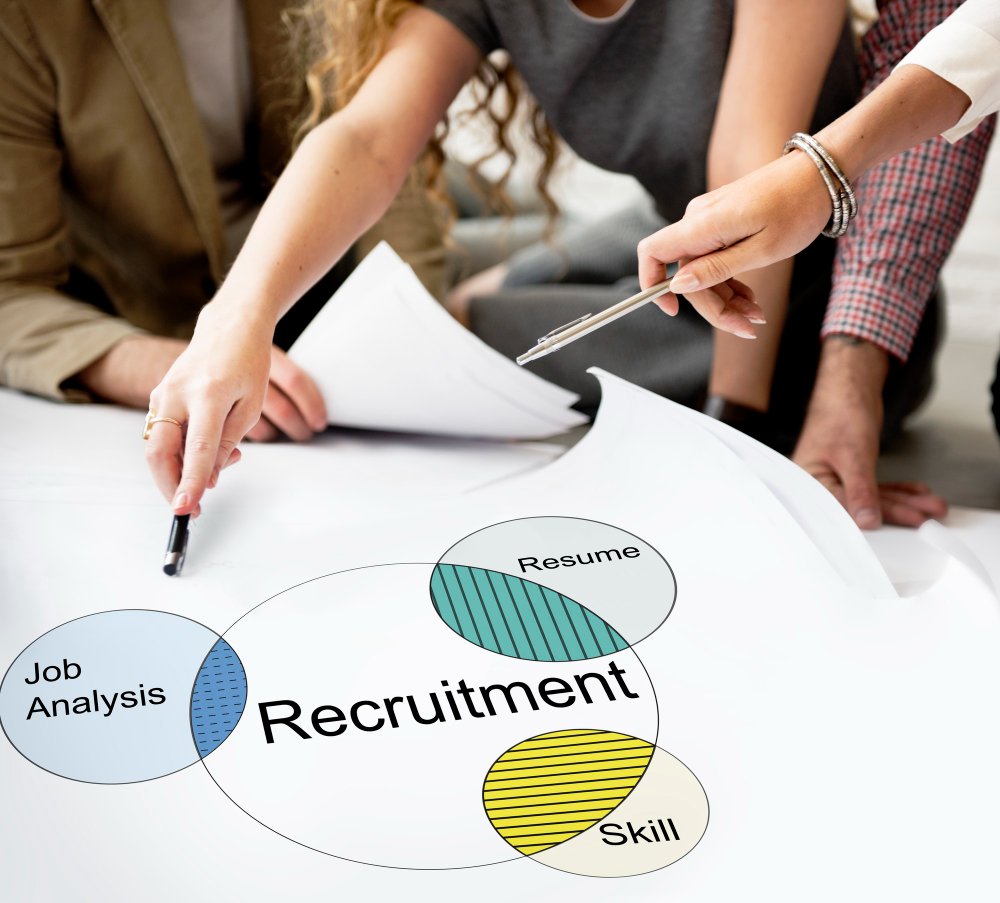
A structured job fit assessment helps clarify what success truly looks like. Prevue Job Fit for example, allows organizations to set benchmarks based on employees who already perform well in the same role. It matches candidates using general abilities, motivations, and personality. This approach creates clear, objective criteria aligned with proven performance.
3. Making fair and objective recruitment decisions
Relying on resumes and interviews alone is risky because they invite bias and assumptions. Recruiters may develop early positive impressions or show unconscious favoritism. Job fit assessment reduces this risk by shifting evaluation toward data driven insight.
A job fit assessment tool like Prevue Job Fit assesses candidates comprehensively using abilities, motivations, and personality. This approach minimizes bias, improves fairness, and supports more objective hiring decisions.
4. Reduce turnover rate
High employee turnover often starts with poor hiring decisions. A Harvard Business Review reports that 80 percent of turnover is linked to recruitment mistakes. Candidates who appear convincing on resumes and interviews may still lack role fit due to different motivations or personality traits.
A job fit assessment helps provide a comprehensive and data driven view of candidate suitability. When employees fit the role, work expectations feel manageable. As a result, stress, frustration, and early resignation risks are significantly reduced.
The Added Value
Job fit assessment delivers value beyond hiring decisions. It supports self assessment by helping employees understand strengths, motivations, and growth areas. It also guides employee development through better role alignment and targeted learning plans. This insight improves performance and long term engagement.
This broader use of job fit assessment aligns with Requisite Organization, where long-term effectiveness depends on continuously matching people, roles, and organizational structure as complexity grows.
Supported by Requisite Organization principles and tools like Prevue Job Fit report, organizations can move beyond guesswork and build teams that are truly designed to succeed. If you want to see a sample job fit assessment report, visit Quintave’s Prevue Job Fit.
Sources:
- https://www.prevuehr.com/resources/insights/job-fit-assessments-key-component-successful-hiring-strategy/
- https://www.integrity-indonesia.com/id/blog/75-perusahaan-alami-bad-hires-apa-saja-penyebabnya/
- https://ccy.com/why-did-that-superb-employee-turn-out-to-be-a-wrong-fit/
- Jaques, E. (1989). Requisite Organization. Arlington, VA: Cason Hall & Co.
- Prevue HR System. (n.d.). Job Fit Assessment. https://www.prevuehr.com/solutions/jobfit/
- CareerBuilder. (n.d.). Bad hiring statistics and insights.
- Harvard Business Review. (n.d.). Hiring and turnover research.
- Forbes Human Resources Council. (2024). What Leaders Get Wrong About Hiring and Why It Matters. https://www.forbes.com/councils/forbeshumanresourcescouncil/2024/03/29/what-leaders-get-wrong-about-hiring-and-why-it-matters